

 HVAC
HVAC
 Plumbing
 Electric & Solar

 Tools & Test Instruments


AC Compressor Cost and Replacement: What Changes the Price?
- By SupplyShop
- On Jun 19, 2026
- Comment 0
AC compressor cost is not one number. The price changes with the diagnosis, refrigerant type, equipment size, voltage and phase, jobsite access, warranty status, and whether the repair should be a compressor-only job or a full condensing unit replacement.
Quick answer
- A compressor replacement is usually more than the compressor part. It can include refrigerant recovery, brazing, filter driers, electrical parts, evacuation, recharge, labor, and startup checks.
- A failed compressor may point to a larger system problem, including dirty coils, low airflow, contamination, overcharge, undercharge, or electrical failure.
- For commercial equipment, matching tonnage, refrigerant, voltage, phase, application temperature, and controls matters more than chasing a generic compressor price.
- If the outdoor or refrigeration condensing unit is old, damaged, or obsolete, a complete replacement can be cleaner than replacing only the compressor.
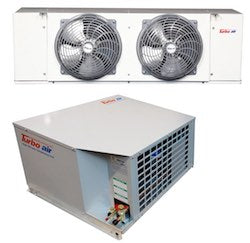
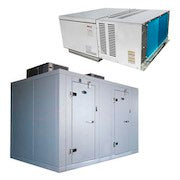
SupplyShop can help with the equipment side of the decision. Start with condensing units, refrigerant, and refrigeration evaporators and unit coolers once a licensed technician has confirmed the repair path.
What changes AC compressor replacement cost?
| Cost driver | Why it matters | What to verify |
|---|---|---|
| Diagnosis | A compressor may be blamed when the issue is a capacitor, contactor, fan motor, control board, or power problem. | Electrical readings, locked rotor status, winding condition, and control voltage. |
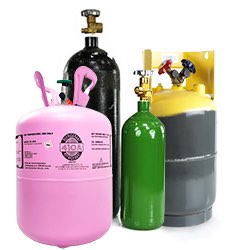
| Refrigerant | R22, R410A, R134A, R404A, and other refrigerants change service procedure, oil compatibility, and equipment options. | Nameplate refrigerant and any retrofit service history. |
| Tonnage or capacity | Larger systems need larger components and usually more labor, refrigerant, and handling time. | Model number, BTU or tonnage, application temperature, and matched coil or evaporator. |
| Voltage and phase | Commercial equipment may require 208/230V, 460V, single phase, or three phase matching. | Voltage, phase, breaker, disconnect, and nameplate electrical data. |
| Contamination | Burnouts and acid contamination can turn a simple replacement into a cleanup job. | Oil condition, acid test, filter drier plan, and evacuation procedure. |
| Access | Roof, tight mechanical rooms, curb adapters, and old piping increase labor and risk. | Lift access, roof access, line-set condition, and jobsite restrictions. |
Compressor-only replacement vs complete condensing unit
A compressor-only repair can make sense when the equipment is otherwise healthy, parts are available, the refrigerant path is acceptable, and the failure cause is known. A full condensing unit replacement may make more sense when the existing unit has coil damage, repeated electrical failures, obsolete refrigerant, heavy corrosion, or controls that are no longer worth rebuilding.
For refrigeration systems, the compressor decision also needs to match the evaporator, box temperature, defrost method, refrigerant, line sizing, and controls. A low-temperature freezer system and a medium-temperature cooler system are not interchangeable just because the outdoor unit looks similar.
Questions to answer before ordering equipment
- What failed, and what caused the failure?
- What refrigerant does the system use?
- What is the model number, serial number, tonnage, voltage, and phase?
- Is this an air conditioning system, a cooler, a freezer, or another refrigeration application?
- Is the indoor coil, evaporator, or line set still compatible with the proposed repair?
- Does the repair require refrigerant, recovery, filter driers, controls, or a full replacement unit?
Best equipment route
If the job is moving from diagnosis to parts, use the failure information to choose the right equipment category. For AC and refrigeration outdoor equipment, review condensing units. For commercial refrigeration boxes, compare the condensing unit with the matched evaporator or unit cooler. For jobs that need refrigerant as part of a confirmed repair, use the refrigerant collection.
FAQ
Can I price an AC compressor by tonnage only?
No. Tonnage is only one part of the match. Voltage, phase, refrigerant, application, controls, and equipment design all matter.
Is replacing the whole condensing unit better than replacing the compressor?
Sometimes. If the existing unit is old, corroded, obsolete, or contaminated, a complete unit can reduce repeat labor and compatibility risk.
What should I do before buying a compressor or condensing unit?
Get a technician diagnosis, record the equipment label, confirm the refrigerant and electrical specs, then match the replacement path to the actual system instead of a generic price search.
Previous Post
Walk-In Cooler and Freezer Equipment: Evaporators, Condensing Units and Defrost Choices
Next Post
R22, R410A, R134A and R404A Refrigerant: What To Check Before You Buy

